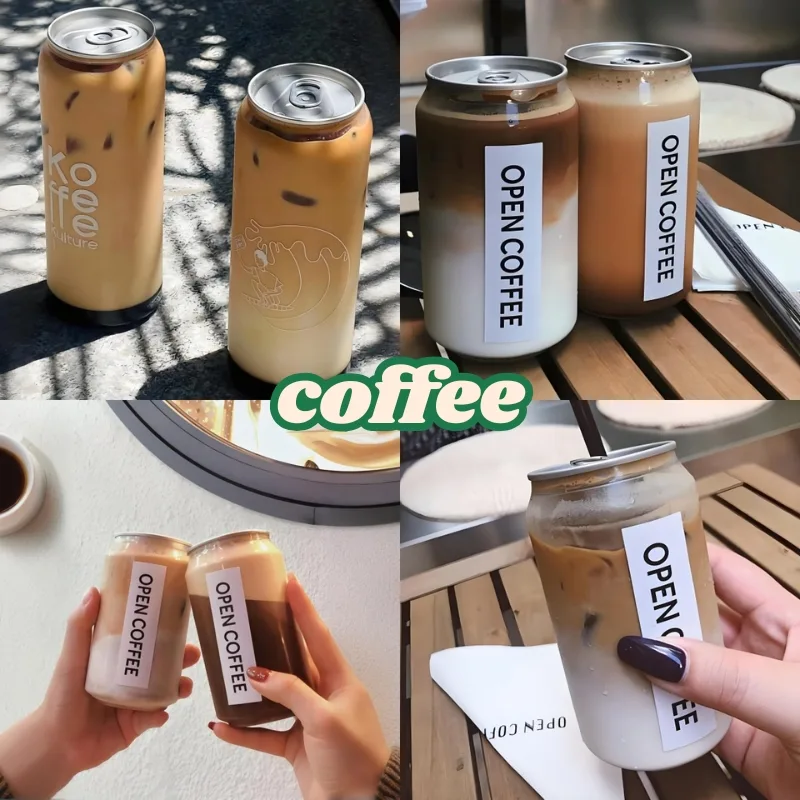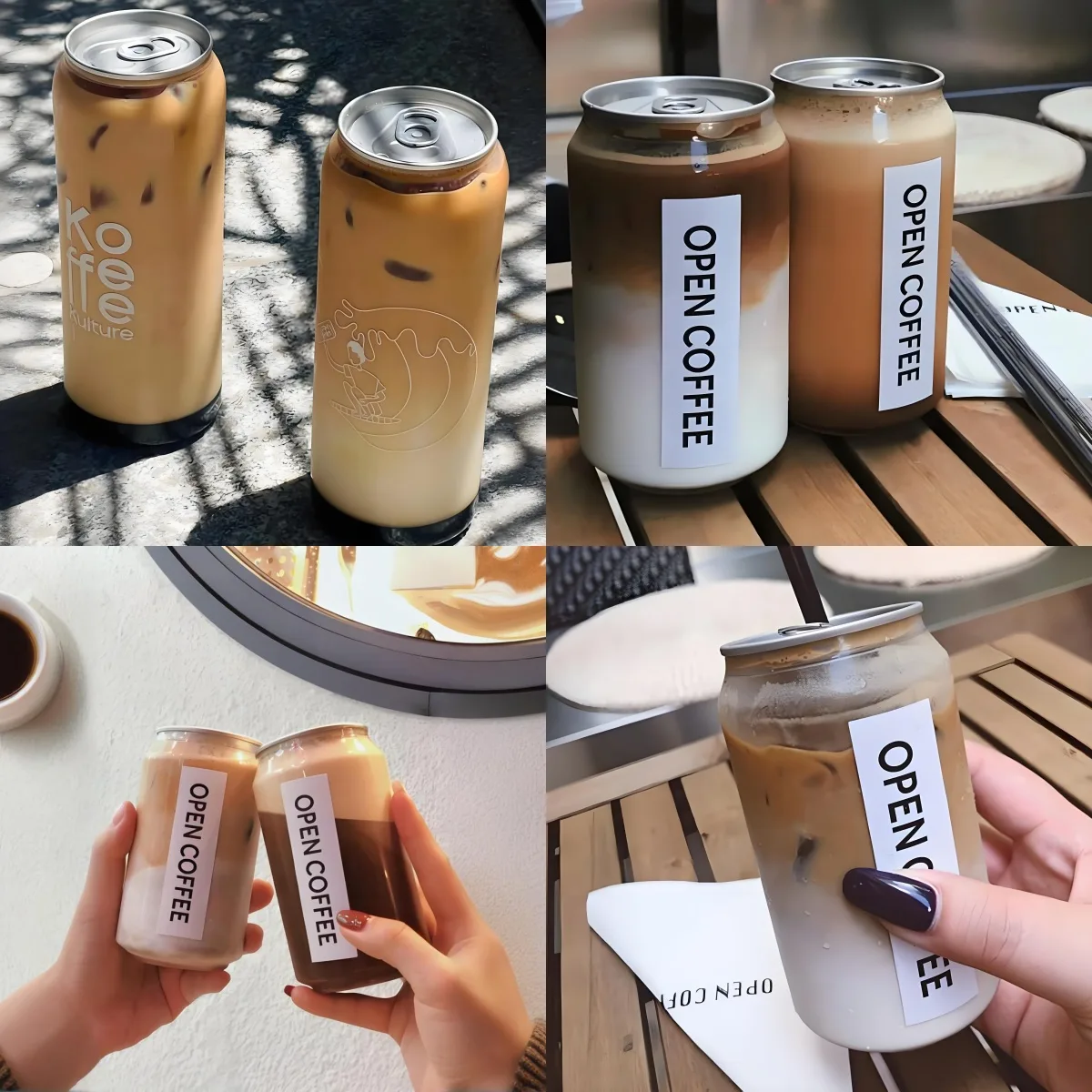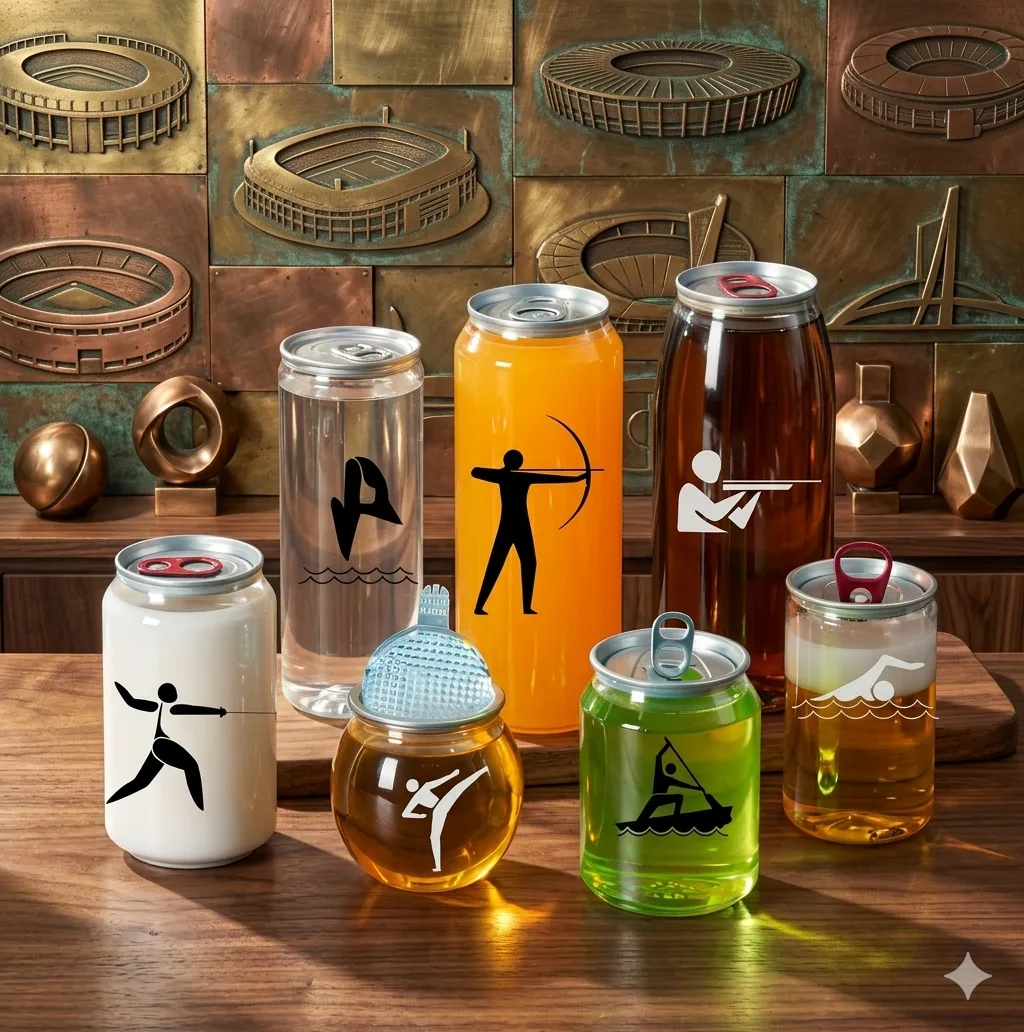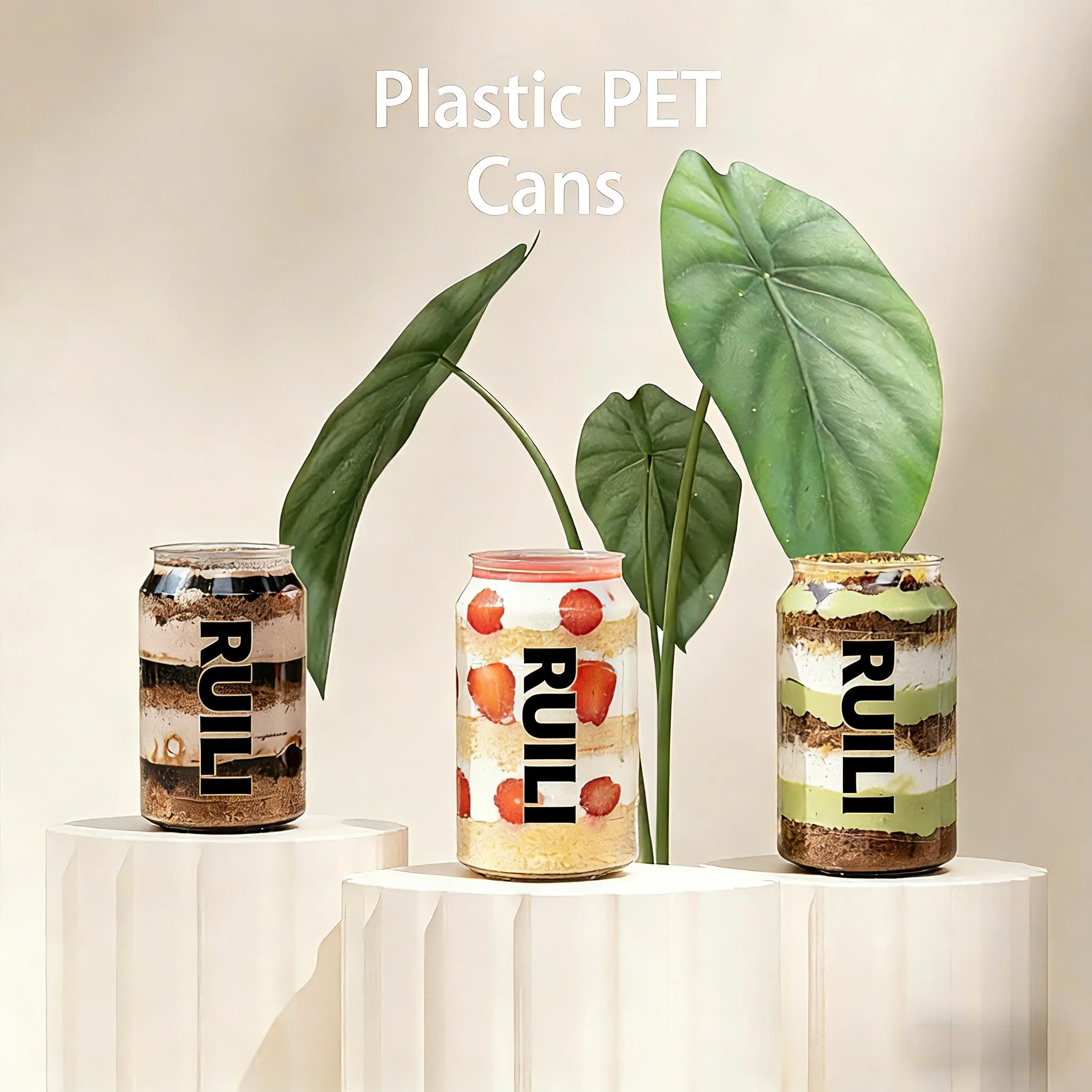
You’ve got a killer beverage formula. You’ve found a co-packer. You’ve even locked in a brand name. Then it hits you — you still haven’t figured out packaging.
Don’t feel bad. Nine out of ten beverage founders stall at exactly this step. Packaging selection isn’t just about designing a pretty bottle. It’s tangled up with your unit economics, your pricing model, your sales channels, and your regulatory exposure. Pick wrong and you’re out tens of thousands of dollars. Pick really wrong and your entire production run gets rejected at the border.
The global PET beverage packaging market hit $79.62 billion in 2026, and the bubble tea segment alone is running at $2.99 billion with a 9.56% CAGR. The opportunity is enormous — but only if your packaging doesn’t kill you first.
Everything below comes from actual cases. Mistakes we’ve watched brands make. Things we’ve fixed after the fact. Learn from them.
Step 1: Be brutally honest about your volume
This is where every decision starts. No wishful thinking, no projections based on “if we get into Whole Foods.” Real numbers only:
Under 5,000 units — Your options are genuinely limited. Most factories won’t touch this volume. But not nobody — at CHINPK, most products start at 5,000 units. Key advice at this stage: don’t custom-mold anything. Run with stock tooling, validate the market, then invest in custom once you’ve got traction.
5,000 to 50,000 units — The sweet spot for PET cans and PET bottles. Competitive pricing, manageable inventory risk, reasonable lead times. The vast majority of beverage startups launch in this range.
50,000+ units — At this volume, custom molds, aluminum cans, and proprietary color masterbatches start making sense. Unit costs drop significantly — but only if your sales channels can actually absorb the volume. I’ve watched too many brands order 100,000 units to hit a price break, fail to move them, and end up paying more in warehouse fees than they saved on packaging.
One rule to tattoo on your brain: multiple small batches beat one giant order. Never park your cash flow in a warehouse.
Step 2: Compare your three main packaging options honestly
| Option | Best for | MOQ | Per-unit cost | Core advantage | Watch out for |
|---|---|---|---|---|---|
| PET can | RTD drinks, milk tea, cold brew | From 5,000 | Low | Transparent, lightweight, flexible MOQ | Carbonated drinks need pressure rating verification |
| Glass bottle | Premium juice, craft beverages, plant-based | 10,000+ | High | Premium feel, inert material | Heavy, expensive shipping, fragile, terrible for e-commerce |
| Aluminum can | Carbonated drinks, beer, energy drinks | 50,000+ | Mid | Best gas barrier, lightest | Opaque, high MOQ |
One trend worth noting in 2026: Coca-Cola switched Sprite from its iconic green bottle to clear PET. The reason? Clear PET has higher value in recycling streams and is far easier to reprocess. The signal is unmistakable — the entire industry is moving toward high-recyclability packaging. If you’re choosing packaging now, factor this in.
Also on the regulatory front: 12 US states now have recycled content mandates on the books, the FDA has issued over 200 recycling process approvals, and the EU’s PPWR is live as of August 2026 with mandatory minimum recycled content. The direction of travel is clear.
Step 3: Don’t treat closures as an afterthought — they’re more important than the bottle
Pick the wrong closure and your entire packaging system collapses. PET cans use three main types:
Aluminum easy-open end (EOE) — The most common solution. Consumers know how to use it, seal integrity is excellent, and pressure tolerance goes up to 90 PSI. PET cans use double-seam technology — two interlocking curls that lock the can body and lid together — offering reliability that standard screw caps can’t match. For lightly carbonated drinks and sparkling teas, EOE is your default choice.
Screw cap — Resealable, functional for products people don’t finish in one go. Lacks the “crack-open” ritual of an EOE but wins on practicality.
Snap-on lid — Cheapest option, but seal integrity is mediocre and lids can pop off during transit. Only suitable for non-carbonated products with short distribution distances and low seal requirements.
One thing most people overlook: the sealing compound inside the closure. Acidic beverages (juice, cold brew coffee) require acid-resistant gasket material. Standard gaskets degrade over time when exposed to low pH, leading to leaks and pressure loss. Always ask about gasket material and its pH tolerance range when selecting closures.
Step 4: Compliance isn’t negotiable — don’t even try
Selling into the US? Your packaging needs FDA 21 CFR 177.1630. European Union? EU 10/2011. South Korea? Heads up — starting January 2026, producers using over 5,000 tons of PET annually must hit at least 10% rPET content. Regulations don’t give startups a free pass.
Your supplier should be able to provide:
- Certificate of compliance
- Migration test report
- Material composition statement
- Letter of guarantee
Missing any one of these isn’t a “we’ll send it later” situation. It’s a “we can’t ship until we have it” situation. Product seized at customs isn’t a cost problem — it’s a brand reputation problem.
Step 5: Don’t save label design for last
I’ve lost count of how many brands ordered containers, then started thinking about labels, and then discovered the label dimensions don’t match the container. Three common traps:
- Label dimensions — Containers have curvature. The flat label template dimension isn’t just the circumference measured with a ruler — you need to account for shrink sleeve contraction ratios. Have your printer create a physical proof on the actual container. Nothing beats a real sample.
- Shrink sleeves — If your container has contouring or waist curves, the way a shrink sleeve conforms to the shape is completely different from how it looks in a flat 2D design. Get a physical sample made before committing.
- Hot stamping / embossing — These decorative processes happen during container manufacturing, not during labeling. If you want these effects, communicate it when you place the container order.
Step 6: Never order without samples
This is non-negotiable. I don’t care how good the supplier’s photos look. I don’t care how competitive the quote is. Do not sign anything until you’ve held the actual product in your hands. Once you have samples:
- Fill them with your real product and check how the color reads
- Seal the closure, invert, shake — does it leak?
- Drop from one meter, three times — any cracks?
- Apply your label and evaluate the full visual
- Freeze for 24 hours, then check for deformation
CHINPK provides samples on all products — no charge. You’ve got a concept, a formula, or a concern — bring the specifics and let’s talk. Seventeen years in this industry means we’ve already made the mistakes so you don’t have to.