Let’s be honest: the hardest part of selling food packaging into the US market isn’t finding customers or negotiating price — it’s compliance. You’ve got perfectly good product, the container’s already sitting at the port, and suddenly customs puts a hold on it. Ten days, two weeks go by. We’ve seen this happen more times than we can count, and almost always the product itself is fine. The paperwork just wasn’t right.
2026 brought several FDA updates that directly affect anyone importing PET packaging. If you’ve been in the US market for years or you’re just getting started, here’s what you actually need to know — no regulatory jargon, just the practical stuff.
The One Regulation Your PET Packaging Lives or Dies By
Whether you’re importing PET cans, PET bottles, or PET cup-and-lid combos, if that container touches food, there’s one regulation you absolutely cannot skip: FDA 21 CFR 177.1630.
Here’s what it boils down to: your PET material can’t leach anything harmful into the food it’s holding. Not a little bit, not under certain conditions — nothing at levels that matter. And the FDA doesn’t take your word for it. They want test data.
Extraction Testing — The Non-Negotiable You Can’t Bluff Through
The FDA doesn’t care that your supplier said the material is “food grade.” They want numbers from an actual lab.
That’s where extraction testing comes in. The lab takes food simulants — water for aqueous foods, 3% acetic acid for acidic stuff, 10% ethanol for alcohol-containing products, corn oil for fatty foods — and exposes your PET container to them at specific temperatures for specific durations. Then they measure whether anything migrated out of the PET and into the simulant. If the numbers are above the limit, your container fails. Period.
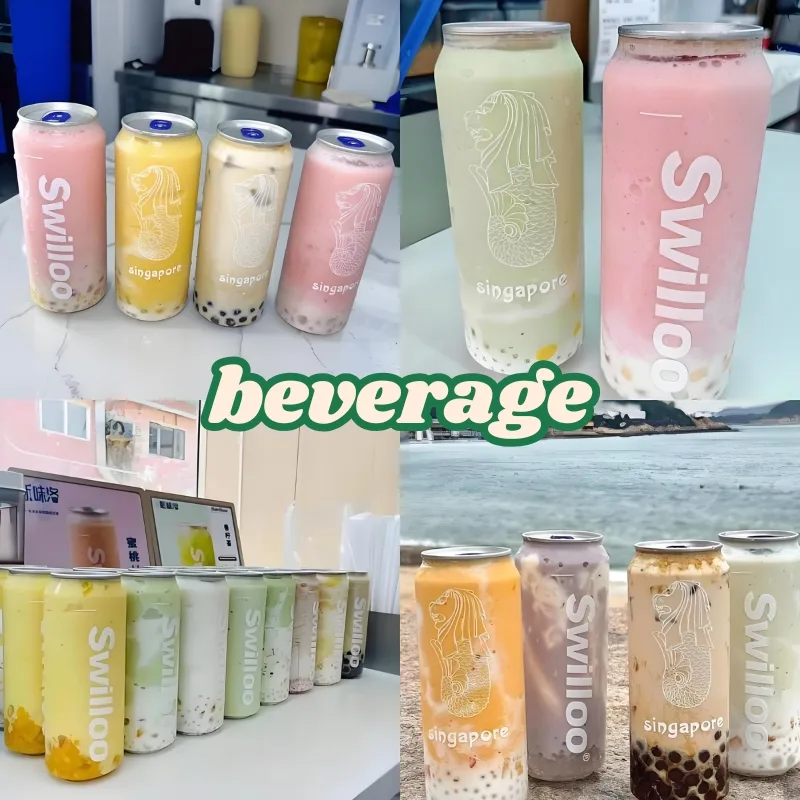
Here’s the detail most people overlook: the test conditions have to match how the container will actually be used. You’re making cold-fill PET cans for bubble tea? Don’t hand customs a test report run at 100°C and call it good. The FDA breaks this down into temperature conditions for a reason — let’s get into that.
Conditions A Through H: Don’t Use a Cold-Fill Report for a Hot-Fill Product
The FDA classifies PET food-contact materials into eight temperature conditions, labeled A through H. This matters way more than most importers realize, because it defines exactly what your container is legally allowed to do:
| Condition | Max Temperature | Typical Use |
|---|---|---|
| A | Below 40°C (104°F) | Cold beverages, refrigerated foods, fresh-cut fruit |
| B | 66°C (150°F) | Room-temperature foods |
| C | 82°C (180°F) | Warm foods, hot beverages |
| D | 100°C (212°F) | Hot foods, reheatable meals |
| E | 121°C (250°F) | Sterilized/retort foods |
| F | Frozen | Ice cream, frozen foods |
| G | Microwave | Microwaveable products |
| H | Sustained high heat | Industrial high-temp processing |
We once had a real situation: a customer bought Condition A (cold-use) PET cans and started hot-filling juice at 85°C into them. The cans didn’t warp. They looked fine. But legally? Not compliant. That material was never tested at that temperature, and the FDA won’t accept a cold-fill migration report for a hot-fill application. It doesn’t matter that the can held up physically — the regulation cares about chemical migration, and that changes with temperature.
Three FDA Changes in 2026 That Hit PET Packaging Importers Directly
The FDA has been busy this year. Three updates in particular matter if you’re moving food-contact PET packaging into the US:
1. GRAS Notifications Are Now Mandatory
For years there was some ambiguity around GRAS (Generally Recognized as Safety) for food-contact materials. Do you actually have to file the notification, or is it enough that the material’s been used safely for decades?
In 2026, the FDA removed the ambiguity. Food-contact materials now require a formal GRAS notification. Even if your PET resin has been in the supply chain for ten years, you need to file. This isn’t a suggestion anymore — it’s enforcement policy.
2. FSMA Rule 204: End-to-End Traceability
This is an extension of the FDA’s Food Safety Modernization Act, and it’s a big one. The core idea: every link in your supply chain has to be traceable, from raw material to finished product. What does that mean for you as an importer? It’s not enough that your PET packaging itself complies. You also need to prove your resin source is documented, traceable, and clean. If customs asks “where did this PET resin come from?” and you can’t answer with records, you’ve got a problem.
3. State-Level Rules Are Stacking Up
Don’t assume passing FDA federal requirements means you’re good everywhere. California (Proposition 65), Washington, and several other states layer their own requirements on top. If you’re shipping to multiple states, a federal FDA clearance is the floor — not the ceiling.
What Your Compliance Document Package Should Actually Contain
Let’s get concrete. When your container hits a US port, here’s what customs will expect to see:
-
Certificate of Compliance (CoC) — Must explicitly cite 21 CFR 177.1630. Don’t hand them a generic “food safety certified” letter. Reference the specific regulation number. Vague language triggers manual review.
-
Material Specification Sheet — Resin type, additive information, residual monomer data. If the resin source is untraceable, customs will flag it immediately. With FSMA 204 now in effect, this matters more than ever.
-
Extraction/Migration Test Report — Must come from an accredited third-party lab: SGS, Intertek, TÜV, or equivalent. A report from an unknown testing outfit won’t fly. These reports are generally valid for up to two years, but we recommend annual updates — changing resin batches can change results.
-
Intended Use Statement — Spell out exactly what this container is for: cold-fill tea, hot-fill juice, ambient-stored coffee. Specify the food type and use temperature. This connects your test conditions to your actual product.
-
Letter of Guaranty — Signed by the manufacturer, accepting legal liability for the compliance claims. Without a guaranty letter, customs has no one to hold accountable, and your container sits in limbo.
Miss any one of these five, and you’re looking at port detention. Warehousing fees run hundreds of dollars a day. Two weeks of detention can easily burn through several thousand dollars — on a shipment that was perfectly fine to begin with.
How CHINPK Handles FDA Compliance
We’ve been shipping PET packaging into the US market for 17 years with zero compliance violations. Our approach isn’t complicated — it’s just thorough:
-
We only use fully traceable, certified food-grade PET resin. No recycled-content blending unless the customer explicitly requests rPET — and when they do, we disclose the percentage, the source, and the test reports with full transparency.
-
Every shipment leaves with a complete documentation package. CoC, migration test report, material specs, Letter of Guaranty — nothing missing, nothing vague. Our export team cross-checks every document before it goes out.
-
We test regularly with SGS and Intertek. Not once a year as a formality — every time we switch resin batches, we retest. Conditions are matched to the actual use case, not a generic profile.
The global PET packaging market hit $93.3 billion in 2026. The US is the single largest import market. Compliance isn’t a cost center — it’s the entry ticket. Get through the door first, then worry about everything else.
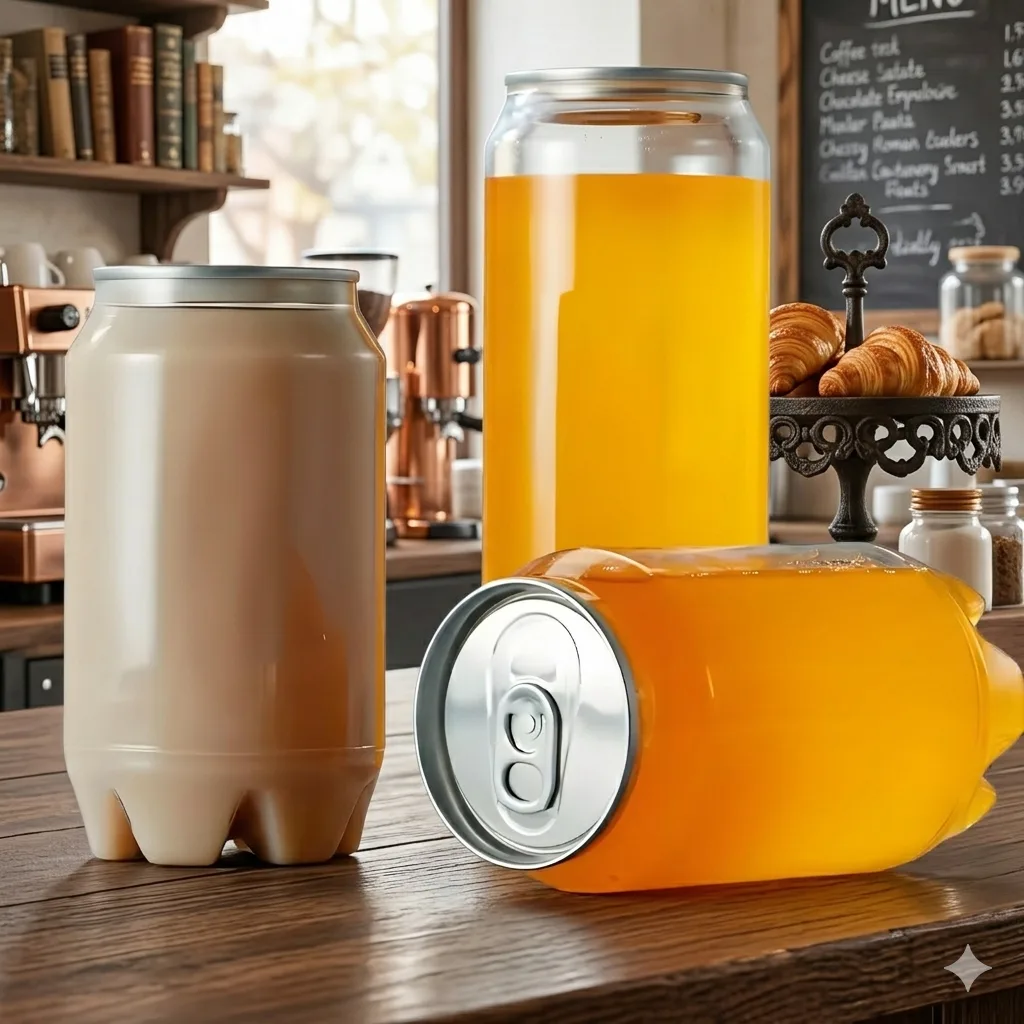
If you’re looking for an FDA-compliant PET packaging supplier — or your current supplier can’t produce a complete documentation package — talk to us. We’ll walk through your specific product and tell you exactly what you need. You can also browse our product lineup — cold-fill cans, hot-fill cans, tea and coffee containers, each with matched compliance documentation ready to go.