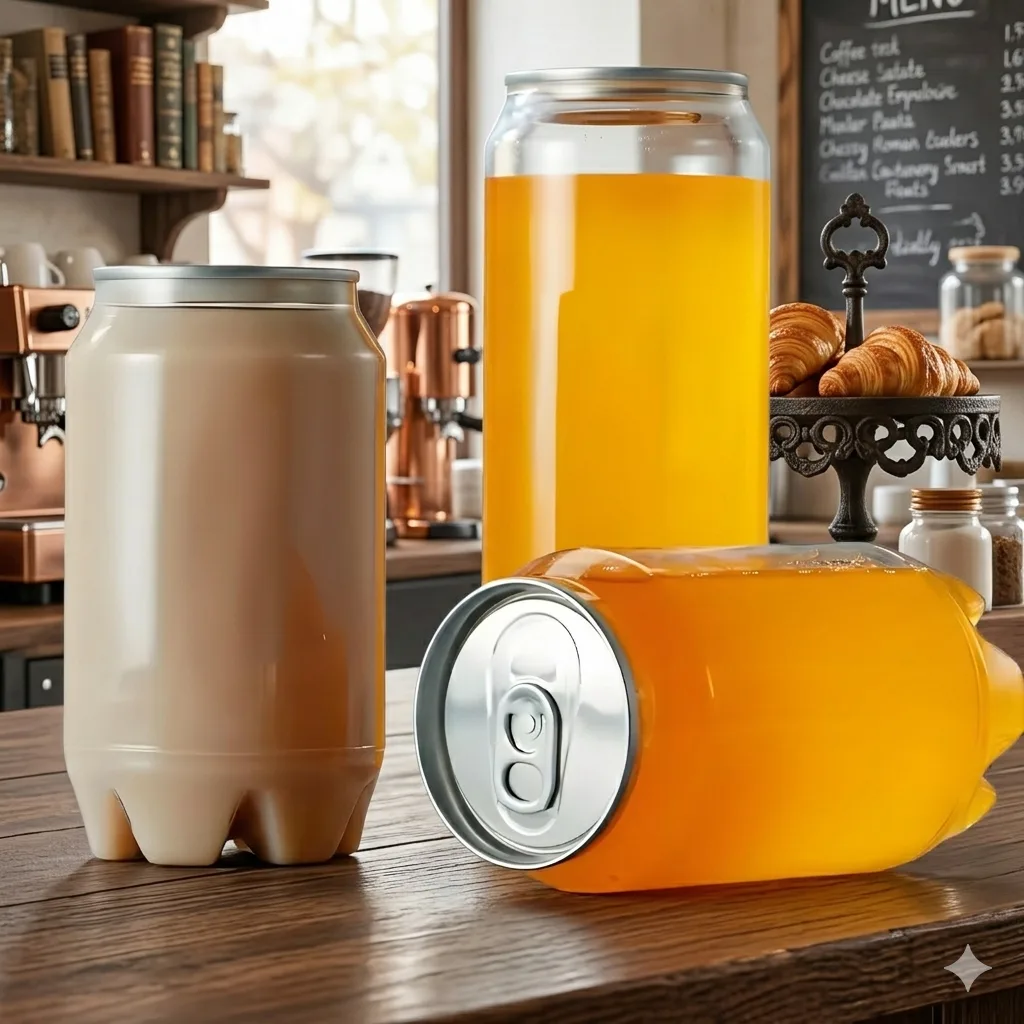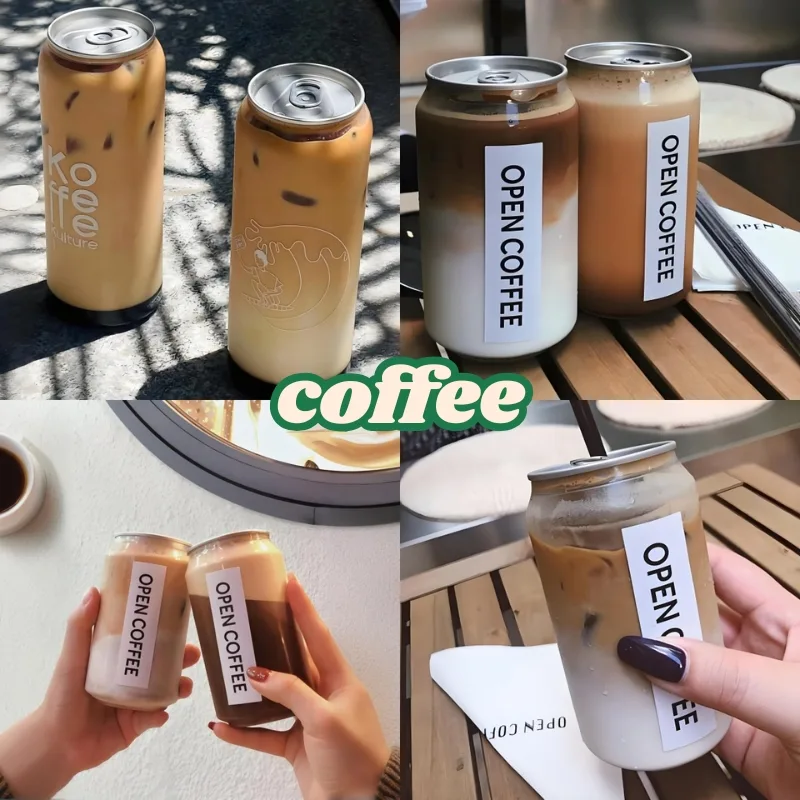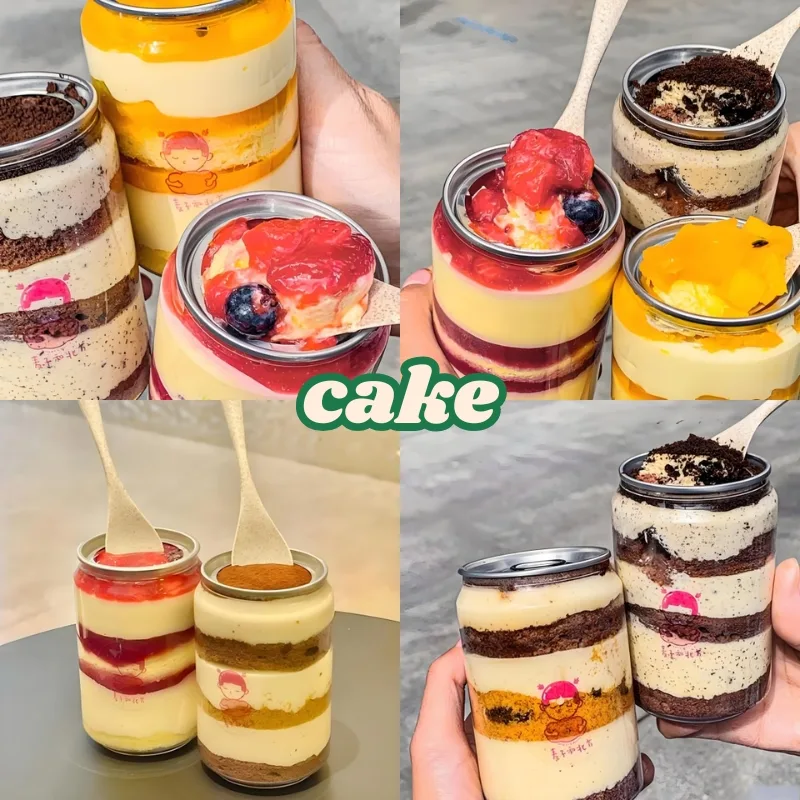
Sustainability used to be a nice-to-have on a bakery’s packaging checklist. In 2026, it’s a compliance question — and the answer is increasingly a mono-material PET can.
The Regulatory Push
The EU’s proposed Packaging and Packaging Waste Directive (PPWD) is moving toward single, harmonized compliance targets across member states. That ends the patchwork of national rules and forces converters to design for recyclability from day one. Multi-material laminates — a plastic layer fused to foil or paper — are exactly what these rules target, because they’re hard or impossible to sort in standard recycling streams.
At the same time, recycled-content expectations are rising. Brands are expected to document how much post-consumer resin (rPET) goes into their packaging, not just claim “recyclable.”
Why Mono-Material PET
A PET can made from a single polymer family (body + lid where possible) solves the sorting problem:
- It sorts cleanly. Mono-material PET flows through existing PET recycling streams.
- It’s proven at scale. Within thermoform packaging — valued at $54.7 billion in 2025 — PET already holds the largest material share at 44.8%.
- rPET drops in easily. Food-grade recycled PET can be blended into the body resin without sacrificing clarity.
- It stays clear. Unlike paper or bio-composites, PET keeps the transparency that drives dessert sales.
The compostable segment is growing fast too ($173M → $478M, 11.4% CAGR), but compostables still carry ~20% premiums and depend on industrial composting infrastructure that’s uneven at best. For most bakeries, mono-material PET is the pragmatic, recyclable default.
The Honest Trade-Off
PET isn’t compostable, and “recyclable” depends on local infrastructure. The credible play is:
- Specify mono-material so the can actually sorts.
- Blend rPET and document the percentage.
- Print the resin code clearly so consumers know it goes in the PET bin.
- Avoid mixed lids where you can — or label them for separate recovery.
That’s a defensible sustainability story today, without waiting for composting networks to catch up.
CHINPK produces food-grade, BPA-free PET cans in mono-material constructions suitable for rPET blending. See the range, or talk to us about recycled-content targets for your market.